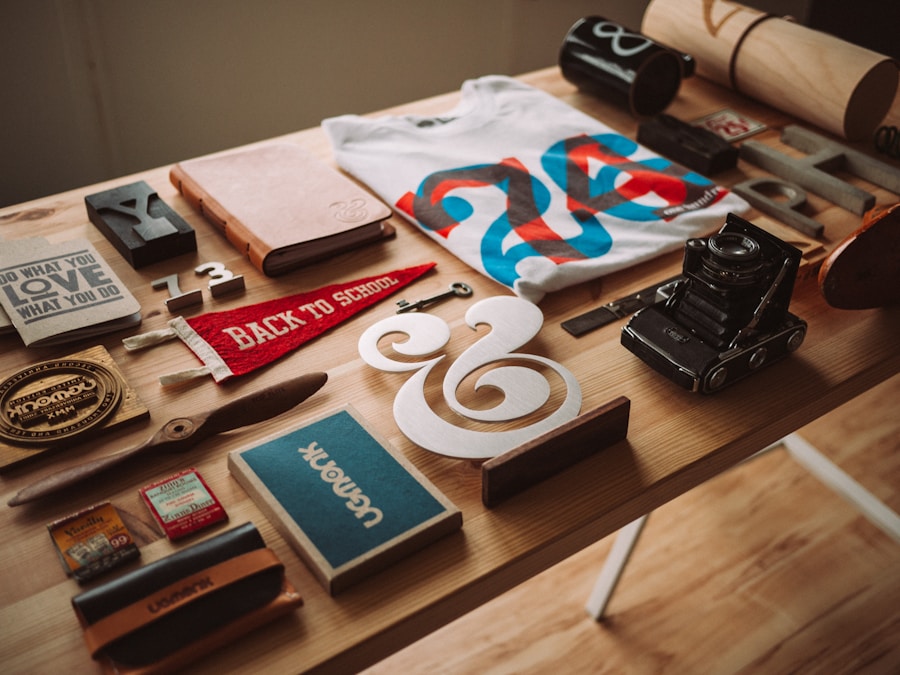


Branding is more than just a logo or a catchy slogan; it is the essence of a business, encapsulating its values, mission, and personality. You may not realize it, but every time you wear a piece of clothing or an accessory, you are participating in a form of branding. The power of branding lies in its ability to create an emotional connection with consumers, influencing their perceptions and decisions.
In today’s competitive marketplace, effective branding can set you apart from the crowd, making it essential for businesses and individuals alike to harness its potential. As you navigate through various brands, you might notice how certain logos or styles evoke specific feelings or memories. This emotional resonance is what makes branding so powerful.
It shapes your experiences and interactions with products and services, often leading to brand loyalty that can last for years. Understanding the nuances of branding can empower you to make more informed choices, whether you are a consumer looking for the best products or a business owner aiming to establish a memorable identity.
Key Takeaways
- Clothing and accessories are powerful tools for establishing and communicating brand identity.
- Psychological factors influence how consumers perceive brands through everyday wearable items.
- Logos, slogans, and celebrity endorsements significantly boost brand recognition on apparel and accessories.
- Quality, design, and personalization play crucial roles in strengthening brand appeal and customer loyalty.
- Social media amplifies the impact of branded clothing, making it essential for modern branding strategies.
How Clothing and Accessories Can Serve as Branding Tools
Clothing and accessories are not merely functional items; they are powerful branding tools that communicate messages about who you are and what you stand for. When you choose what to wear, you are making a statement about your identity, values, and even your aspirations. For businesses, this means that the clothing and accessories they offer can serve as extensions of their brand identity.
By carefully curating a collection that aligns with their brand message, companies can create a cohesive image that resonates with their target audience. You might find that certain brands use clothing and accessories to tell a story or convey a lifestyle. For instance, outdoor apparel brands often emphasize adventure and exploration through their designs and marketing strategies.
When you wear such items, you are not just donning fabric; you are embodying the spirit of adventure that the brand represents. This connection between clothing and brand identity is crucial for businesses looking to establish a strong presence in the market.
The Psychology Behind Branding Through Everyday Items
The psychology of branding is deeply rooted in human behavior and perception. When you wear clothing or accessories from a particular brand, you may subconsciously associate yourself with the values and attributes that brand represents. This phenomenon is known as self-congruity, where individuals seek to align their self-image with the brands they choose to support.
Understanding this psychological aspect can help you make more intentional choices about the brands you engage with. Moreover, the familiarity of certain brands can create a sense of comfort and trust. When you repeatedly encounter a brand that resonates with your values, it becomes part of your identity.
This is why many people feel a strong attachment to specific brands; they represent not just products but also ideals and lifestyles. By recognizing the psychological underpinnings of branding, you can better appreciate how clothing and accessories influence your perceptions and choices.
Creating a Strong Brand Identity Through Clothing and Accessories
To create a strong brand identity through clothing and accessories, it is essential to have a clear vision of what your brand stands for. This involves defining your core values, mission, and target audience. Once you have established these elements, you can begin to curate a collection that reflects your brand’s personality.
The colors, materials, and styles you choose should all align with the message you want to convey. As you develop your brand identity, consider how your clothing and accessories can tell a story. Each piece should contribute to the overall narrative of your brand, creating a cohesive experience for consumers.
For example, if your brand promotes sustainability, using eco-friendly materials and ethical production methods will reinforce your commitment to those values. By thoughtfully integrating these elements into your offerings, you can create a strong brand identity that resonates with your audience.
The Role of Logos and Slogans in Branding on Clothing and Accessories
| Metric | Description | Example Data | Impact on Branding |
|---|---|---|---|
| Brand Recall Rate | Percentage of consumers who remember a brand after seeing branded clothing/accessories | 65% | High recall strengthens brand recognition and loyalty |
| Consumer Engagement | Number of social media mentions and shares related to branded apparel | 120,000 mentions/month | Increases brand visibility and word-of-mouth marketing |
| Repeat Purchase Rate | Percentage of customers who buy multiple branded clothing/accessories | 40% | Indicates strong brand affinity and customer satisfaction |
| Brand Perceived Value | Consumer perception of brand quality through everyday wearables | 8.5/10 (survey score) | Enhances premium positioning and customer trust |
| Market Penetration | Percentage of target market owning at least one branded clothing/accessory item | 30% | Measures brand reach and acceptance in the market |
| Influencer Collaboration Impact | Increase in sales and brand mentions after influencer endorsements | Sales +25%, Mentions +40% | Boosts credibility and attracts new customer segments |
Logos and slogans play a pivotal role in branding through clothing and accessories. A well-designed logo serves as a visual representation of your brand, making it instantly recognizable. When you see a logo on clothing or accessories, it can evoke feelings of familiarity and trust.
This is why investing in professional design services is crucial; a strong logo can significantly enhance your brand’s visibility and appeal. Slogans also contribute to branding by encapsulating your brand’s message in a memorable phrase. When paired with clothing or accessories, slogans can reinforce the values and identity of your brand.
For instance, if your slogan emphasizes empowerment or inclusivity, it should resonate through the designs and styles of your products. Together, logos and slogans create a powerful combination that can leave a lasting impression on consumers.
The Influence of Celebrity Endorsements on Branding Through Clothing and Accessories
Celebrity endorsements have become a significant aspect of branding in the fashion industry. When a well-known figure wears or promotes a particular brand, it can instantly elevate its status and desirability. You may find yourself drawn to brands endorsed by celebrities you admire, as their influence can shape your perceptions and preferences.
This phenomenon highlights the power of social proof; when someone you respect endorses a product, it can validate your choice to engage with that brand. However, it’s essential to recognize that celebrity endorsements should align with your brand’s values and identity. If there is a disconnect between the celebrity’s image and your brand message, it could lead to confusion among consumers.
Therefore, when considering endorsements, ensure that they authentically represent what your brand stands for. This alignment will help maintain credibility and foster trust among your audience.
The Impact of Social Media on Branding Through Clothing and Accessories
Social media has revolutionized the way brands connect with consumers, particularly in the realm of clothing and accessories. Platforms like Instagram and TikTok allow brands to showcase their products visually while engaging directly with their audience. You may find yourself discovering new brands through social media influencers or user-generated content that highlights unique styles and trends.
The interactive nature of social media also enables brands to build communities around their products. By encouraging users to share their experiences wearing specific items, brands can create a sense of belonging among their customers. This engagement fosters loyalty and encourages repeat purchases as consumers feel more connected to the brand’s identity.
As you navigate social media platforms, consider how they influence your perceptions of brands and their offerings.
The Importance of Quality and Design in Branding Through Clothing and Accessories
Quality and design are fundamental components of successful branding through clothing and accessories. When consumers invest in a product, they expect it to be durable and well-crafted. If your offerings fail to meet these expectations, it can damage your brand’s reputation and lead to negative perceptions among consumers.
Therefore, prioritizing quality in materials and craftsmanship is essential for building trust with your audience. Design also plays a crucial role in attracting consumers’ attention. A visually appealing product can draw people in and encourage them to explore further.
As you develop your clothing line or accessory collection, consider how design elements such as color, shape, and texture contribute to your overall branding strategy. Striking the right balance between quality and design will help ensure that your products resonate with consumers while reinforcing your brand identity.
The Role of Customization and Personalization in Branding Through Clothing and Accessories
Customization and personalization have become increasingly important in today’s consumer landscape. You may find yourself drawn to brands that offer unique options tailored to individual preferences. This trend allows consumers to express their identities through clothing and accessories while fostering a deeper connection with the brand.
By incorporating customization options into your offerings, you can enhance the overall branding experience for consumers. Whether it’s allowing customers to choose colors or add personal touches like monograms, these options create a sense of ownership over the product. This personal connection can lead to increased loyalty as consumers feel more invested in their purchases.
Case Studies of Successful Branding Through Clothing and Accessories
Examining successful case studies can provide valuable insights into effective branding strategies through clothing and accessories. One notable example is Nike, which has built an empire around its iconic swoosh logo and empowering slogans like “Just Do It.” By consistently delivering high-quality athletic wear while aligning itself with athletes’ aspirations, Nike has created a powerful brand identity that resonates globally. Another example is Patagonia, known for its commitment to sustainability in outdoor apparel.
The company’s focus on eco-friendly materials and ethical production practices has attracted environmentally conscious consumers who align with its values. By effectively communicating its mission through clothing designs and marketing efforts, Patagonia has established itself as a leader in responsible branding.
Tips for Using Clothing and Accessories to Enhance Branding
To effectively use clothing and accessories as branding tools, consider these tips: First, ensure that every piece aligns with your brand’s core values and identity. Consistency is key; when consumers see cohesive messaging across all products, it reinforces their understanding of what your brand represents. Second, invest in high-quality materials and craftsmanship to build trust among consumers.
Quality products not only enhance customer satisfaction but also contribute positively to your brand’s reputation. Lastly, leverage social media platforms to showcase your offerings creatively while engaging directly with your audience. Encourage user-generated content by inviting customers to share their experiences wearing your products; this fosters community engagement while amplifying your brand’s reach.
By implementing these strategies thoughtfully, you can harness the power of clothing and accessories as effective branding tools that resonate with consumers on multiple levels.
In exploring the concept of branding through everyday clothing and accessories, it’s essential to understand the broader strategies that contribute to a strong brand identity. A related article that delves into effective branding techniques is Crafting a Strong Brand Position: Techniques for Success. This resource provides valuable insights into how businesses can establish a compelling brand presence, which complements the discussion on the role of apparel and accessories in everyday branding.