


# Unconventional Branding in Modern Marketing
Modern consumers encounter numerous marketing messages daily, making brand differentiation increasingly important. Unconventional branding strategies enable companies to move beyond traditional marketing approaches and establish distinctive market positions. These methods can increase consumer attention, build customer loyalty, and improve sales performance.
This approach requires businesses to challenge conventional practices and develop new ways to engage customers. Effective unconventional branding extends beyond superficial differentiation. Successful strategies align brand messaging with company values while authentically addressing target audience needs and preferences.
This alignment creates stronger customer relationships and more memorable brand experiences. This article examines core branding principles, the importance of market differentiation, and practical unconventional strategies for developing a distinctive brand identity.
Key Takeaways
- Unconventional branding focuses on unique, creative strategies to differentiate brands in crowded markets.
- A strong brand identity combines basic branding principles with innovative, memorable elements.
- Simplicity and uniqueness are key to crafting a brand that resonates and stands out.
- Integrating unconventional branding with digital marketing enhances reach and engagement.
- Overcoming challenges in unconventional branding requires adaptability and a long-term commitment.
Understanding the Basics of Branding
Branding is more than just a logo or a catchy tagline; it encompasses the entire perception of your business in the eyes of your customers. At its core, branding is about creating an emotional connection with your audience. This connection is built through consistent messaging, visual identity, and customer experience.
As you delve into the basics of branding, consider how each element contributes to the overall perception of your brand. To establish a strong brand foundation, you must first define your mission, vision, and values. These elements serve as the guiding principles for your branding efforts and help you communicate what your brand stands for.
Additionally, understanding your target audience is crucial. By identifying their needs, preferences, and pain points, you can tailor your branding strategy to resonate with them effectively. This foundational knowledge will empower you to create a brand that not only stands out but also fosters loyalty and trust among your customers.
In the realm of unconventional branding, understanding the importance of a unique identity is crucial for businesses looking to stand out in a crowded market. A related article that delves deeper into the nuances of brand identity and customer engagement can be found at this link. This resource offers valuable insights that complement the concepts discussed in “Unconventional Branding: Carving a Unique Identity with Basics,” providing practical strategies for companies aiming to redefine their brand presence.
The Power of Uniqueness in Brand Identity

In today’s competitive landscape, uniqueness is a powerful asset that can set your brand apart from the rest. When you embrace what makes your brand different, you create a distinct identity that captures attention and sparks curiosity. This uniqueness can manifest in various forms, such as innovative products, unconventional marketing campaigns, or a distinctive brand voice.
By highlighting these unique aspects, you can create a memorable impression that lingers in the minds of consumers. Moreover, uniqueness fosters authenticity. When you embrace your brand’s individuality, you invite customers to connect with you on a deeper level.
They are more likely to engage with a brand that feels genuine and relatable rather than one that blends into the background. As you cultivate this unique identity, remember that it should align with your core values and resonate with your target audience. This alignment will ensure that your brand remains authentic while standing out in a crowded marketplace.
Leveraging Unconventional Strategies for Branding
Unconventional branding strategies can take many forms, from guerrilla marketing tactics to unexpected collaborations. These approaches challenge traditional norms and encourage creativity in how you present your brand to the world. For instance, consider using humor or shock value in your advertising campaigns to capture attention and spark conversations.
By stepping outside the conventional boundaries of marketing, you can create memorable experiences that leave a lasting impact on your audience. Another effective unconventional strategy is storytelling. By weaving compelling narratives around your brand, you can engage customers emotionally and create a sense of connection.
This storytelling can take various forms, such as sharing customer testimonials or showcasing behind-the-scenes glimpses of your business. When done authentically, storytelling can humanize your brand and make it more relatable to consumers. Embracing these unconventional strategies allows you to differentiate yourself from competitors while fostering deeper connections with your audience.
Crafting a Memorable Brand Identity with Basics
| Metric | Description | Example | Impact on Branding |
|---|---|---|---|
| Minimalist Logo Design | Using simple shapes and limited colors to create a memorable logo | Apple’s apple silhouette | Enhances brand recognition and timelessness |
| Consistent Color Palette | Employing a basic set of colors consistently across all branding materials | Tiffany & Co.’s signature blue | Builds strong visual identity and emotional connection |
| Clear Typography | Choosing straightforward, readable fonts for all communications | Google’s Product Sans font | Improves readability and professionalism |
| Simple Messaging | Focusing on clear, concise brand messages without jargon | Nike’s “Just Do It” | Creates memorable and relatable brand voice |
| Basic Packaging | Using minimalistic packaging design to emphasize product quality | Muji’s plain, functional packaging | Conveys authenticity and sustainability |
| Customer Experience | Streamlining customer interactions to focus on essentials | Amazon’s one-click purchase | Enhances user satisfaction and loyalty |
While unconventional branding strategies are essential for standing out, it’s equally important to establish a solid foundation for your brand identity. This involves creating a cohesive visual identity that reflects your brand’s personality and values. Elements such as color schemes, typography, and logo design play a crucial role in shaping how consumers perceive your brand.
When these elements are thoughtfully designed and consistently applied across all platforms, they contribute to a memorable brand identity. Additionally, consider how your messaging aligns with your visual identity. Your brand voice should be consistent across all channels, whether it’s social media posts, website content, or customer interactions.
This consistency reinforces your brand identity and helps build trust with your audience. By combining the basics of branding with unconventional strategies, you can create a powerful and memorable brand identity that resonates with consumers on multiple levels.
In exploring the concept of unconventional branding, it is essential to consider how a unique identity can be established through fundamental principles. A related article discusses the importance of understanding your target audience and leveraging basic branding elements to create a memorable presence in the market. For more insights on this topic, you can read the article here: Understanding Your Target Audience. By focusing on these core aspects, brands can differentiate themselves and foster a deeper connection with consumers.
Embracing Simplicity in Branding
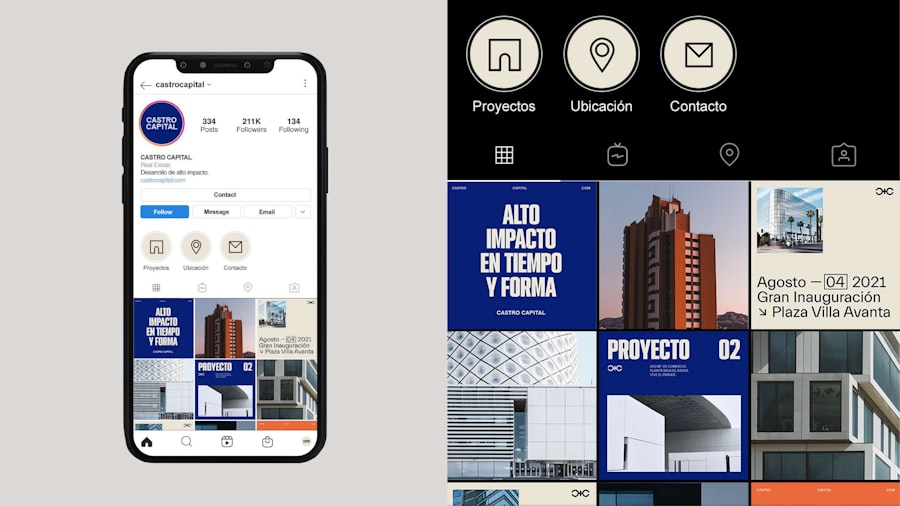
In an age where consumers are overwhelmed by information, simplicity in branding can be incredibly effective. A simple and clear message allows customers to understand what your brand stands for quickly. When crafting your branding strategy, focus on distilling your message down to its essence.
This clarity not only makes it easier for consumers to grasp your value proposition but also enhances memorability. Simplicity also extends to design elements. A clean and straightforward visual identity can be more impactful than an overly complex one.
Think about iconic brands like Apple or Nike; their logos are simple yet instantly recognizable. By embracing simplicity in both messaging and design, you can create a brand that is not only easy to remember but also resonates deeply with consumers who appreciate clarity in an increasingly noisy world.
Standing Out in a Saturated Market with Unconventional Branding
In today’s saturated market, standing out requires creativity and innovation. Unconventional branding allows you to break through the noise and capture the attention of potential customers who may be overwhelmed by similar offerings. To achieve this, consider exploring niche markets or targeting specific demographics that may be overlooked by mainstream brands.
By focusing on these unique segments, you can carve out a distinct space for your brand. Additionally, think about how you can incorporate unexpected elements into your branding strategy. This could involve hosting unconventional events or utilizing non-traditional advertising channels to reach your audience in surprising ways.
The key is to challenge conventional wisdom and take calculated risks that align with your brand’s identity. By doing so, you not only differentiate yourself from competitors but also create memorable experiences that resonate with consumers.
Case Studies of Successful Unconventional Branding
Examining successful case studies can provide valuable insights into how unconventional branding strategies can yield impressive results. One notable example is Dollar Shave Club, which disrupted the shaving industry with its humorous marketing campaigns and subscription model. By embracing a quirky tone and focusing on convenience rather than traditional retail methods, they captured the attention of consumers looking for an alternative to overpriced razors.
Another example is Airbnb, which transformed the hospitality industry by promoting the idea of “belonging” rather than just providing accommodations. Their unconventional approach involved leveraging user-generated content and storytelling to create an emotional connection with travelers seeking unique experiences. These case studies illustrate how embracing unconventional branding strategies can lead to significant growth and market disruption when executed thoughtfully.
Integrating Unconventional Branding with Digital Marketing
In today’s digital age, integrating unconventional branding strategies with digital marketing is essential for maximizing reach and engagement. Social media platforms offer unique opportunities for brands to showcase their personality and connect with audiences in real-time. By leveraging platforms like Instagram or TikTok creatively, you can share behind-the-scenes content or engage in trending challenges that align with your brand identity.
Moreover, consider utilizing influencer partnerships as part of your digital marketing strategy. Collaborating with influencers who resonate with your target audience allows you to tap into their established communities while showcasing your brand in an authentic light. This integration of unconventional branding with digital marketing not only enhances visibility but also fosters genuine connections with consumers who value authenticity.
Overcoming Challenges in Unconventional Branding
While unconventional branding offers numerous benefits, it also comes with its own set of challenges. One common hurdle is the risk of alienating potential customers who may not resonate with your unique approach. To mitigate this risk, it’s crucial to conduct thorough market research and understand your target audience’s preferences before implementing unconventional strategies.
Additionally, maintaining consistency while being unconventional can be tricky. It’s essential to ensure that any unconventional tactics align with your core values and overall brand message. Striking this balance requires careful planning and execution but can ultimately lead to a stronger brand identity that resonates deeply with consumers.
Embracing Unconventional Branding for Long-Term Success
In conclusion, embracing unconventional branding is not just about being different; it’s about creating meaningful connections with your audience through authenticity and creativity. By understanding the basics of branding and leveraging unique strategies, you can craft a memorable brand identity that stands out in today’s saturated market. As you navigate this journey, remember the power of simplicity and consistency while remaining open to innovative approaches that challenge traditional norms.
Ultimately, successful unconventional branding requires courage and a willingness to take risks while staying true to your core values. By doing so, you position yourself for long-term success in an ever-evolving marketplace where creativity reigns supreme. Embrace the unconventional path; it may just lead you to remarkable opportunities and lasting relationships with your customers.