
When you step into a business meeting or a networking event, the first impression you make can set the tone for the entire interaction. You may not realize it, but people often form opinions about you within the first few seconds of meeting. This initial judgment can be influenced by various factors, including your demeanor, body language, and, importantly, your appearance. In the competitive world of business, where opportunities can be fleeting, making a positive first impression is crucial. It can open doors to new partnerships, clients, and career advancements.
Your appearance serves as a visual cue that communicates your professionalism and attention to detail. When you present yourself well, you signal to others that you take your role seriously and respect the occasion. This is particularly important in industries where trust and credibility are paramount. A polished appearance can enhance your confidence, allowing you to engage more effectively with others. Ultimately, the importance of first impressions cannot be overstated; they can be the difference between success and missed opportunities.
In the realm of business branding, the significance of clothing and accessories cannot be overstated, as they serve as powerful tools for creating a memorable brand identity. For a deeper understanding of how these elements influence consumer perception and brand loyalty, you may find the article on privacy policies and their impact on customer trust particularly insightful. This article discusses the broader context of branding and customer relationships, which complements the discussion on clothing and accessories. To explore this further, visit this link.
Key Takeaways
- First impressions in business are heavily influenced by clothing and accessories, shaping personal and company image.
- Clothing and accessories serve as key elements in expressing company culture and reinforcing brand identity.
- Professional attire and uniforms enhance client perception, employee morale, and overall professionalism.
- Dress codes and uniforms play a strategic role in branding, marketing, and creating consistent customer experiences.
- The future of business branding will increasingly integrate clothing and accessories as vital tools for differentiation and engagement.
The Role of Clothing and Accessories in Personal Branding
Your clothing and accessories are powerful tools in shaping your personal brand. They are not just items you wear; they are extensions of your identity that communicate who you are and what you stand for. When you choose your wardrobe thoughtfully, you can convey messages about your values, professionalism, and even your aspirations. For instance, a tailored suit may suggest authority and competence, while casual attire might indicate approachability and creativity. Understanding how to leverage clothing and accessories can help you craft a personal brand that resonates with your target audience.
Accessories also play a significant role in personal branding. A well-chosen watch or a unique piece of jewelry can serve as conversation starters and reflect your personality. They can add a touch of individuality to your outfit while still maintaining professionalism. By curating your wardrobe and accessories to align with your personal brand, you create a cohesive image that enhances your credibility and makes you memorable in the eyes of colleagues and clients alike.
How Clothing and Accessories Reflect Company Culture

The way you dress in the workplace often mirrors the culture of the organization you represent. In a corporate environment with a formal dress code, your attire may lean towards traditional business wear, while a startup might embrace a more casual approach. This alignment between clothing and company culture is essential for fostering a sense of belonging among employees. When everyone adheres to a shared dress code, it reinforces the values and mission of the organization.
Moreover, clothing choices can also signal inclusivity and diversity within a company. When employees feel free to express their individuality through their attire while still adhering to company guidelines, it creates an environment where everyone feels valued. This balance between personal expression and professional standards can enhance employee satisfaction and retention, ultimately contributing to a positive workplace culture.
The Influence of Clothing and Accessories on Client Perception
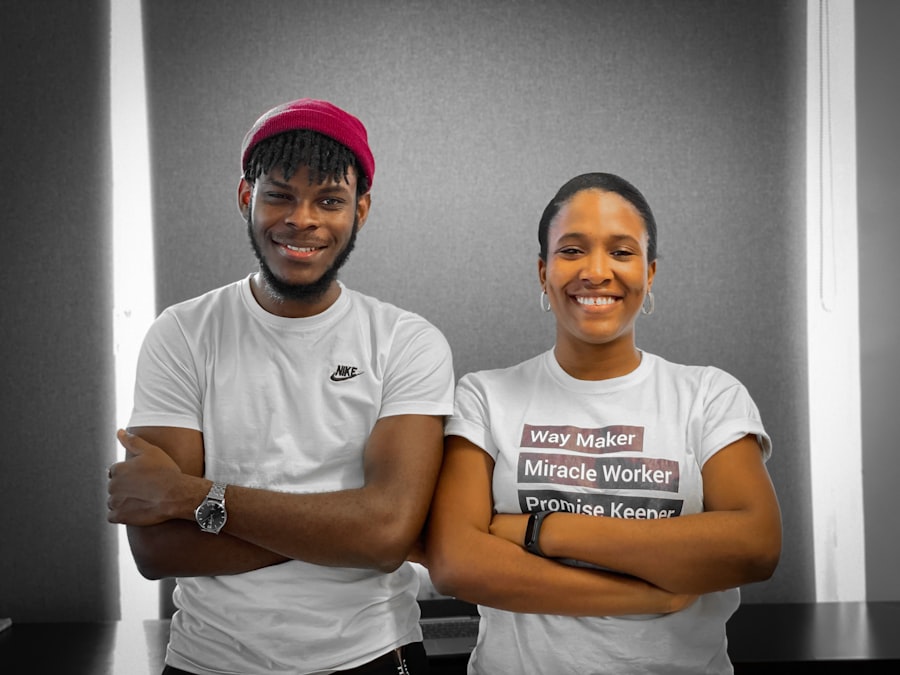
Your choice of clothing and accessories can significantly influence how clients perceive you and your business. When meeting with clients, your appearance can either instill confidence or raise doubts about your capabilities. For example, if you arrive at a client meeting dressed inappropriately for the occasion, it may lead them to question your professionalism or commitment to their needs. On the other hand, dressing appropriately can enhance your credibility and foster trust.
Clients often associate certain styles with expertise in specific fields. For instance, a financial consultant dressed in formal attire may be perceived as more knowledgeable than one in casual wear. This perception can impact their willingness to engage with you or invest in your services. Therefore, being mindful of how clothing and accessories affect client perception is essential for building strong relationships and ensuring successful business interactions.
In the realm of business branding, the significance of clothing and accessories cannot be overstated, as they play a crucial role in shaping perceptions and creating a memorable identity. For a deeper understanding of how these elements contribute to a brand’s image and customer engagement, you might find the article on store privacy policies particularly insightful. It explores the intersection of branding and customer trust, highlighting how the right visual presentation can enhance a company’s reputation and foster loyalty.
The Connection Between Clothing and Accessories and Professionalism
| Metric | Description | Impact on Business Branding |
|---|---|---|
| Brand Recognition | Percentage of customers who recognize a brand by its clothing or accessories | Clothing and accessories can increase brand recognition by up to 80% |
| Customer Loyalty | Rate of repeat customers influenced by branded apparel | Branded clothing can improve customer loyalty by 30% |
| Employee Engagement | Employee satisfaction and pride when wearing branded uniforms | Wearing branded apparel can boost employee engagement by 25% |
| Marketing Reach | Increase in brand exposure through wearable marketing | Branded accessories can increase marketing reach by 50% |
| Perceived Professionalism | Customer perception of professionalism based on employee attire | Professional clothing enhances perceived professionalism by 40% |
| Brand Consistency | Uniformity in brand presentation through clothing and accessories | Consistent apparel improves brand consistency by 35% |
Professionalism is often linked to how you present yourself through clothing and accessories. When you dress appropriately for your industry and role, it demonstrates respect for your work and those around you. This connection between appearance and professionalism is not merely superficial; it reflects your understanding of workplace norms and expectations. By adhering to these standards, you position yourself as someone who takes their responsibilities seriously.
Additionally, the right clothing choices can enhance your confidence, which in turn affects how others perceive you. When you feel good about what you’re wearing, you’re more likely to engage positively with colleagues and clients. This confidence can translate into better communication skills and a more assertive presence in meetings or presentations. Ultimately, the connection between clothing, accessories, and professionalism is vital for establishing yourself as a credible and reliable professional.
In the realm of business branding, the significance of clothing and accessories cannot be overstated, as they play a crucial role in shaping perceptions and enhancing brand identity. For a deeper understanding of how these elements contribute to effective branding strategies, you may find it insightful to explore a related article that discusses the impact of visual presentation on consumer behavior. This resource can provide valuable insights into the ways in which your brand’s attire can influence customer engagement and loyalty. To read more about this topic, visit this article.
The Impact of Clothing and Accessories on Employee Morale
The way employees dress can have a profound impact on their morale and overall job satisfaction. When employees feel comfortable in their clothing choices, they are more likely to express themselves authentically and engage positively with their work environment. A relaxed dress code can foster creativity and innovation, allowing employees to feel more at ease while collaborating with their peers.
Conversely, overly strict dress codes can stifle individuality and lead to dissatisfaction among employees. When individuals are forced to conform to rigid standards that do not align with their personal style or comfort, it can create feelings of resentment or disengagement. By allowing employees some flexibility in their clothing choices, organizations can boost morale and create a more positive workplace atmosphere that encourages productivity and collaboration.
The Significance of Dress Codes in Business Environments
Dress codes serve as guidelines that help establish expectations for employee attire within a business environment. They play a crucial role in maintaining professionalism while also reflecting the company’s values and culture. A well-defined dress code can help employees understand what is appropriate for various occasions, whether it’s a client meeting or an internal team gathering.
However, it’s essential for organizations to strike a balance between professionalism and personal expression when implementing dress codes. While some industries may require formal attire, others may benefit from a more relaxed approach that allows employees to showcase their individuality. By creating dress codes that are inclusive and considerate of diverse styles, companies can foster an environment where employees feel comfortable while still representing the brand effectively.
The Relationship Between Clothing and Accessories and Brand Identity
Your clothing choices are not just personal preferences; they are integral to your brand identity as well. In business settings, how you dress can reflect the values and mission of your organization. For instance, if your company promotes sustainability, wearing eco-friendly fabrics or brands that align with this ethos can reinforce that message to clients and stakeholders.
Moreover, consistent branding through clothing can create a sense of unity among employees. When everyone adheres to a specific style or color palette that aligns with the company’s branding, it fosters a cohesive image that enhances brand recognition. This visual consistency helps clients associate certain qualities with your brand, making it easier for them to remember and trust your organization.
The Power of Uniforms in Branding and Marketing
Uniforms hold significant power in branding and marketing efforts. They create an immediate visual identity for employees that aligns with the company’s image. When customers see staff members dressed in uniforms that reflect the brand’s colors or logo, it reinforces brand recognition and loyalty. Uniforms also convey professionalism and reliability, which can enhance customer trust.
In addition to branding benefits, uniforms can foster a sense of belonging among employees. When everyone wears the same attire, it creates an inclusive atmosphere where individuals feel part of a team working towards common goals. This sense of unity can boost morale and encourage collaboration among staff members, ultimately benefiting the overall performance of the organization.
The Effect of Clothing and Accessories on Customer Experience
The way employees dress can significantly impact customer experience in various ways. When customers interact with staff members who are well-dressed and presentable, it creates a positive impression that enhances their overall experience with the brand. Conversely, if employees appear disheveled or unprofessional, it may lead customers to question the quality of service they will receive.
Moreover, clothing choices can influence how approachable employees seem to customers. A friendly smile paired with casual yet professional attire can make staff members appear more accessible, encouraging customers to ask questions or seek assistance without hesitation. By prioritizing appropriate clothing choices for customer-facing roles, businesses can create an inviting atmosphere that enhances customer satisfaction.
The Future of Clothing and Accessories in Business Branding
As we move forward into an increasingly diverse and dynamic business landscape, the role of clothing and accessories in branding will continue to evolve. With remote work becoming more prevalent, companies may need to rethink traditional dress codes to accommodate flexible work environments while still maintaining professionalism.
Additionally, sustainability will likely play a significant role in future clothing choices for businesses. As consumers become more conscious of environmental issues, brands that prioritize eco-friendly materials and ethical production practices will stand out in the marketplace. This shift will not only influence how companies present themselves but also how they connect with their audience on shared values.
In conclusion, clothing and accessories are far more than mere items we wear; they are powerful tools that shape perceptions in business environments. From first impressions to brand identity, every aspect of how you present yourself matters in today’s competitive landscape. By understanding the significance of these elements, you can enhance your professional image while contributing positively to your organization’s culture and success.