


Branding has undergone a remarkable transformation over the decades, evolving from simple visual representations to complex narratives that resonate with consumers on multiple levels. In the early days, branding was primarily about creating a recognizable logo or slogan that could be plastered on billboards and storefronts. You might recall the iconic images of brands that dominated the landscape, where a catchy phrase or a striking image was enough to capture attention.
As society progressed, so did the methods of branding, leading to a more sophisticated understanding of consumer psychology and market dynamics. As technology advanced, the rise of digital platforms revolutionized branding strategies. You may have noticed how brands began to leverage social media, websites, and online advertising to create a more immersive experience for consumers.
This shift allowed for a more dynamic interaction between brands and their audiences, moving beyond static images to engaging content that could be tailored to individual preferences. The evolution of branding reflects not just changes in technology but also a deeper understanding of how consumers connect with brands in an increasingly digital world.
Key Takeaways
- Branding has evolved from traditional billboards to dynamic digital platforms, blending old and new methods.
- Outdoor advertising, especially billboards, remains powerful for broad audience reach and strong brand presence.
- Digital advertising excels in targeting specific demographics and engaging consumers interactively.
- Combining outdoor and online advertising strategies maximizes brand exposure and overall impact.
- The future of branding lies in integrating traditional and digital approaches for personalized and widespread consumer connections.
The Impact of Outdoor Advertising: The Strength of Billboards
Outdoor advertising, particularly billboards, has long been a staple in the marketing arsenal. You might have experienced the immediate impact of a well-placed billboard while driving down a highway or walking through a bustling city. Billboards have the unique ability to capture attention quickly, often delivering a message in mere seconds.
Their large format and strategic placement make them an effective tool for reaching a broad audience, ensuring that your brand is seen by countless potential customers every day. Moreover, the strength of billboards lies in their ability to create memorable impressions. You may find that certain billboards stick in your mind long after you’ve seen them, thanks to their bold visuals and concise messaging.
This memorability is crucial in a world saturated with information, where consumers are bombarded with advertisements at every turn. Billboards can serve as constant reminders of your brand, reinforcing recognition and recall in the minds of consumers as they go about their daily lives.
The Rise of Online Advertising: The Influence of Digital Branding

As outdoor advertising has its strengths, the rise of online advertising has transformed the landscape of branding in profound ways. You may have noticed how digital platforms have become essential for brands looking to connect with consumers on a more personal level. Online advertising allows for targeted campaigns that can reach specific demographics based on interests, behaviors, and even geographic locations.
This level of precision is something traditional advertising methods struggle to achieve. Digital branding also offers the advantage of real-time analytics, enabling you to track the effectiveness of your campaigns almost instantaneously. You can see which ads are performing well and which ones need adjustment, allowing for a more agile approach to marketing.
This data-driven strategy empowers brands to refine their messaging and optimize their outreach efforts continuously, ensuring that they remain relevant in an ever-changing digital landscape.
The Advantages of Outdoor Advertising: Reaching a Wider Audience
One of the most significant advantages of outdoor advertising is its ability to reach a diverse audience simultaneously. You might find yourself surrounded by people from various backgrounds and demographics when you step outside, and billboards capitalize on this diversity. Unlike online ads that may only reach specific segments of the population, outdoor advertising casts a wide net, ensuring that your brand message is seen by many.
Additionally, outdoor advertising is often perceived as more trustworthy than digital ads. You may have experienced ad fatigue from endless scrolling through social media or dismissing pop-up ads on websites. In contrast, billboards and other forms of outdoor advertising can feel more authentic and less intrusive.
This perception can enhance your brand’s credibility and foster a sense of reliability among consumers who encounter your message in their everyday lives.
The Benefits of Online Advertising: Targeting Specific Demographics
While outdoor advertising excels at reaching broad audiences, online advertising shines in its ability to target specific demographics with precision. You may have noticed how certain ads seem tailored just for you based on your online behavior and preferences. This targeted approach allows brands to deliver personalized messages that resonate with individual consumers, increasing the likelihood of engagement and conversion.
Moreover, online advertising platforms offer sophisticated tools for segmentation and targeting. You can create campaigns that focus on particular age groups, interests, or even purchasing behaviors. This level of customization not only enhances the effectiveness of your marketing efforts but also fosters a deeper connection between your brand and its audience.
By speaking directly to the needs and desires of specific consumer segments, you can build loyalty and encourage repeat business.
The Effectiveness of Billboards: Creating Brand Awareness and Recognition
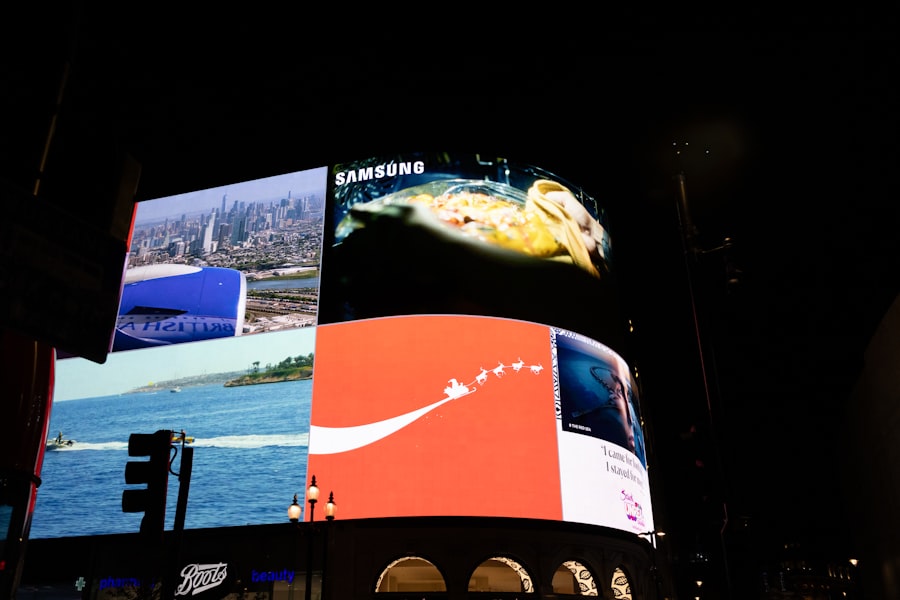
Billboards are particularly effective at creating brand awareness and recognition due to their visibility and permanence in high-traffic areas. You might have noticed how certain brands become synonymous with specific locations because of their prominent billboard placements. This constant exposure helps reinforce brand identity and keeps your message top-of-mind for consumers who pass by regularly.
Furthermore, the simplicity of billboard messaging can be advantageous in an age where consumers are inundated with information. You may find that a straightforward slogan or striking image is more likely to resonate than complex narratives that require extensive explanation. This effectiveness in conveying a message quickly makes billboards an invaluable tool for building brand awareness in a fast-paced world.
The Power of Digital Advertising: Engaging Consumers through Interactivity
Digital advertising takes engagement to another level by incorporating interactivity into campaigns. You may have encountered ads that invite you to participate in polls, quizzes, or contests, creating a two-way conversation between you and the brand. This interactive element not only captures attention but also encourages consumers to invest time and energy into engaging with your brand.
Moreover, digital advertising allows for creative storytelling through various formats such as videos, infographics, and interactive content. You might find yourself drawn into a narrative that resonates with your values or interests, fostering a deeper emotional connection with the brand. This level of engagement can lead to increased brand loyalty as consumers feel more personally invested in your story.
The Role of Outdoor Advertising in Branding: Establishing a Strong Presence
Outdoor advertising plays a crucial role in establishing a strong brand presence within communities. You may have noticed how local businesses often utilize billboards or posters to create familiarity among residents. This local presence can be instrumental in building trust and loyalty as consumers begin to associate your brand with their everyday lives.
Additionally, outdoor advertising can enhance the visibility of new product launches or promotional events. When you see a billboard announcing an upcoming sale or event, it creates anticipation and excitement within the community. This ability to generate buzz around your brand is invaluable in an era where standing out from the competition is essential for success.
The Role of Digital Advertising in Branding: Building a Personalized Connection with Consumers
Digital advertising excels at building personalized connections with consumers through targeted messaging and tailored experiences. You may have experienced this firsthand when you receive recommendations based on your previous purchases or browsing history. This level of personalization not only enhances your shopping experience but also fosters a sense of loyalty toward brands that understand your preferences.
Moreover, digital platforms allow for ongoing communication between brands and consumers through social media channels and email marketing campaigns. You might find yourself engaging with brands on platforms like Instagram or Facebook, where you can share feedback or participate in discussions about products or services. This ongoing dialogue helps create a sense of community around your brand, encouraging customers to feel more connected and invested in its success.
Combining Outdoor and Online Advertising: Maximizing Brand Exposure and Impact
To maximize brand exposure and impact, many businesses are now adopting integrated marketing strategies that combine outdoor and online advertising efforts. You may have noticed how some brands use billboards to promote their social media handles or website URLs, encouraging consumers to engage with them online after seeing their outdoor ads. This synergy between traditional and digital methods creates a cohesive branding experience that reinforces messaging across multiple touchpoints.
By leveraging both outdoor and online advertising, you can reach diverse audiences while also targeting specific demographics effectively. For instance, while billboards capture attention in high-traffic areas, online ads can follow up with personalized messages tailored to those who engaged with your outdoor campaigns. This multi-channel approach not only enhances brand visibility but also increases the likelihood of conversion as consumers encounter your message through various mediums.
The Future of Branding: Integrating Traditional and Digital Advertising Strategies
As we look toward the future of branding, it is clear that integrating traditional and digital advertising strategies will be essential for success. You may find that brands that embrace this hybrid approach will be better positioned to navigate an increasingly complex marketing landscape. By combining the strengths of outdoor advertising’s broad reach with the precision targeting capabilities of digital platforms, you can create comprehensive campaigns that resonate with diverse audiences.
Moreover, as technology continues to evolve, new opportunities for innovation will arise within both traditional and digital realms. You might see advancements such as augmented reality billboards or interactive digital displays that further blur the lines between these two worlds. Embracing these innovations will allow you to stay ahead of the curve while ensuring that your branding efforts remain relevant and impactful in an ever-changing marketplace.
In conclusion, the evolution of branding reflects broader societal changes and technological advancements that have reshaped how businesses connect with consumers. By understanding the strengths and weaknesses of both outdoor and online advertising, you can develop strategies that maximize your brand’s exposure while fostering meaningful connections with your audience. As you navigate this dynamic landscape, remember that integrating traditional and digital approaches will be key to building a successful brand for years to come.
In the ongoing debate of Outdoor Vs. Online marketing strategies, understanding the nuances of branding is crucial. A related article that delves deeper into this topic is